


 Products
 Skincare
 Vegan skincare
 Specific Skincare
 Hair Care
 Advent calendar 2026
 Makeup
 SALE
SALE
 Brands
Vitamin C has been one of the most popular ingredients in skincare for years. And for good reason. This powerful antioxidant is known for its ability to help protect the skin against harmful external influences, visibly reduce dark spots and give the skin a healthy glow.
Curious about what vitamin C does exactly, which skin type it is suitable for and how to use it best? In this guide, you will learn everything you need to know about this versatile ingredient. Want to shop right away? View our complete range of Vitamin C skincare.
What is Vitamin C?
Vitamin C is a powerful antioxidant that helps protect the skin against harmful external influences, such as UV radiation and air pollution. In addition, the ingredient is known for its brightening effect and its ability to give the skin a fresh, healthy-looking appearance.
In skincare, vitamin C is widely used to even out the skin tone, visibly reduce dark spots and support the skin’s natural collagen production. This makes it a loved ingredient for anyone working on radiant, even and firmer-looking skin.
What does Vitamin C do for your skin?
Vitamin C is one of the most researched ingredients in skincare. Various scientific studies show that it supports the skin in several ways.
Protects against free radicals
As a powerful antioxidant, vitamin C helps neutralize free radicals. These unstable molecules are caused by UV radiation, air pollution and other external influences, and can accelerate premature skin ageing. By helping to limit this damage, vitamin C contributes to healthier-looking skin.
Supports collagen production
Vitamin C plays an important role in the skin’s natural collagen production. Collagen helps keep the skin firm and elastic. By supporting this process, vitamin C can help reduce the look of fine lines and maintain firmer-looking skin.
Brightens the skin
Vitamin C helps regulate melanin production. As a result, dark spots, post-acne marks and an uneven skin tone can gradually become less visible, while the skin looks more even.
Gives the skin a healthy glow
Thanks to the combination of antioxidant protection, collagen support and an evening effect, the skin often gets a fresh, healthy and radiant-looking appearance.
How long does it take before vitamin C shows results?
This depends on your skin and your skin goal. Many people notice after a few weeks that the skin looks fresher and more radiant. For visibly reducing dark spots or evening out the skin tone, 8 to 12 weeks of consistent use is usually needed.
It is good to know that vitamin C does more than deliver visible results. Even when you do not see a big difference right away, it supports the health of your skin every day. As an antioxidant, vitamin C helps protect the skin against free radicals caused by UV radiation and air pollution. In addition, it plays an important role in the skin’s natural collagen production, which helps keep the skin firm and resilient. Regular use therefore not only contributes to more beautiful-looking skin, but also helps maintain a healthy skin condition in the long term.
Which form of vitamin C is best?
There is no single form of vitamin C that is best for everyone. Some forms work more powerfully, while others are gentler on the skin.
The best-known form is pure vitamin C. This can effectively help with dull skin, dark spots and supporting healthy-looking skin, but it can also cause irritation more quickly for some people.
Many Korean skincare products therefore choose milder and more stable forms of vitamin C. These are often gentler on the skin, stay fresh for longer and are therefore suitable for daily use, even if you have sensitive skin.
Which form is best depends on your skin type and skin goals. Do you have sensitive skin or are you using vitamin C for the first time? Then a mild formula is often a good choice. Do you want to target dark spots more intensively and is your skin used to active ingredients? Then a more powerful form may suit you better.
How does Vitamin C support your skin in summer?
During summer, your skin is exposed more often to UV radiation, heat and other external influences. This can make dark spots and post-acne marks more visible and can cause the skin to lose its natural glow.
Vitamin C helps protect the skin against free radicals caused by exposure to sunlight and pollution. It also supports a more even skin tone and helps give the skin a fresh appearance.
Important: vitamin C is not a replacement for sunscreen. Always use SPF as the final step in your daytime routine. Together, vitamin C and sunscreen form a strong combination to help protect the skin as well as possible.
Want to learn more about sun protection? Also read ourultimate guide to SPF and sunscreen.
Which ingredients combine well with Vitamin C?
Vitamin C is surprisingly versatile and works very well with several other ingredients.
Hyaluronic Acid
Hyaluronic acid deeply hydrates the skin and helps retain moisture. This keeps the skin supple while vitamin C helps create a brighter-looking appearance.
Niacinamide
Vitamin C and niacinamide complement each other well. Together, they help even out the skin tone, reduce the look of dark spots and support the skin barrier.
Vitamin E
Vitamin E strengthens the antioxidant effect of vitamin C. Together, they help the skin better protect itself against harmful external influences.
When should you be careful?
Vitamin C is a powerful active ingredient and is not always tolerated equally well by every skin type at first. Especially high concentrations or pure vitamin C, also known as L-Ascorbic Acid, can temporarily cause tingling, redness or mild irritation.
Do you have very sensitive skin, rosacea or a skin barrier that is out of balance? Then it is wise to first focus on skin recovery with ingredients such as ceramides, panthenol or centella asiatica before adding vitamin C to your routine.
Using vitamin C for the first time? Choose a lower concentration or a milder vitamin C variant and build up use slowly so your skin can get used to it calmly.
What does Vitamin C do and how do you use it?
Vitamin C helps protect the skin against harmful external influences, supports an even skin tone and gives the skin a healthy glow.
Use a vitamin C serum after cleansing and before your moisturizer. Most people prefer to use vitamin C in the morning, so the antioxidant effect can be used throughout the day.
Always finish your morning routine with sunscreen for the best protection.
Products with Vitamin C
Looking for a product that suits your skin? These are a few popular favourites:
Serums
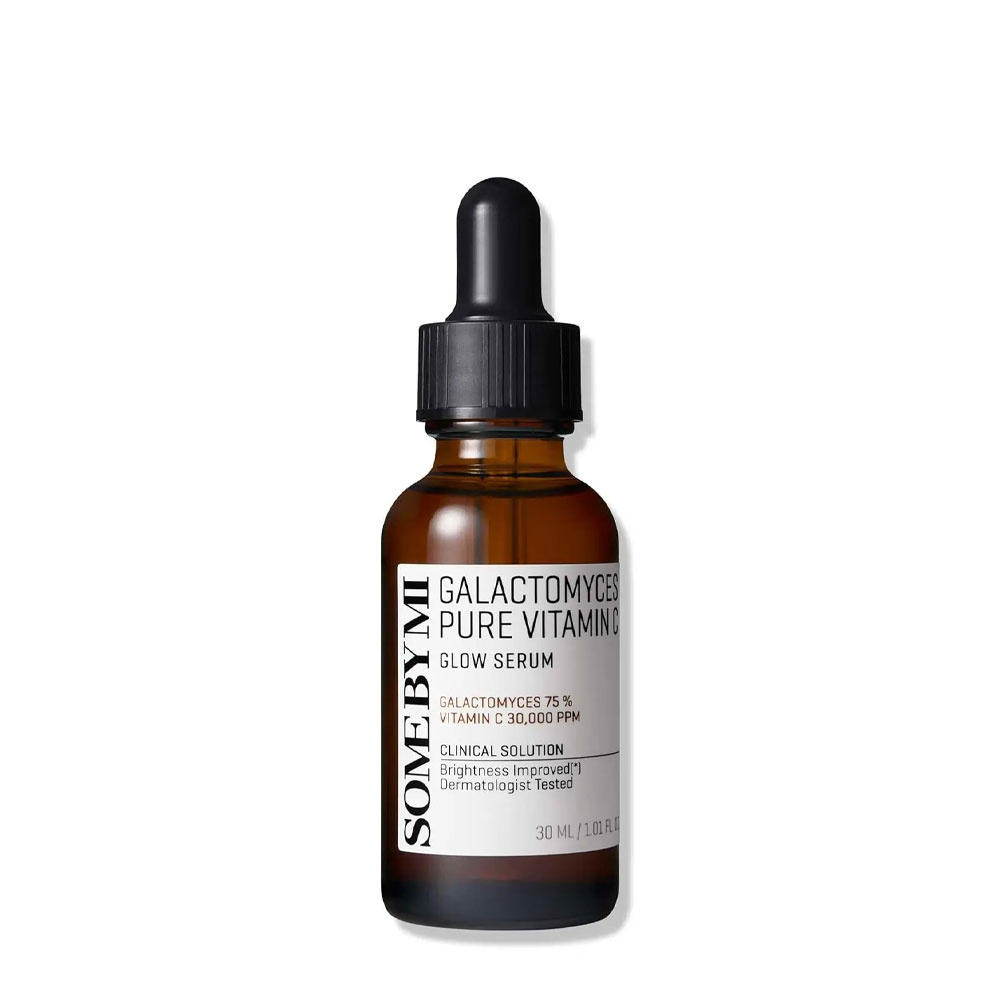
Some By Mi Galactomyces Pure Vitamin C Glow Serum
A brightening serum that helps with dull skin, dark spots and an uneven skin tone.

Beauty of Joseon Light On Serum: Centella + Vita C
A mild combination of vitamin C and centella asiatica that helps create radiant-looking skin while also calming the skin.
Cream
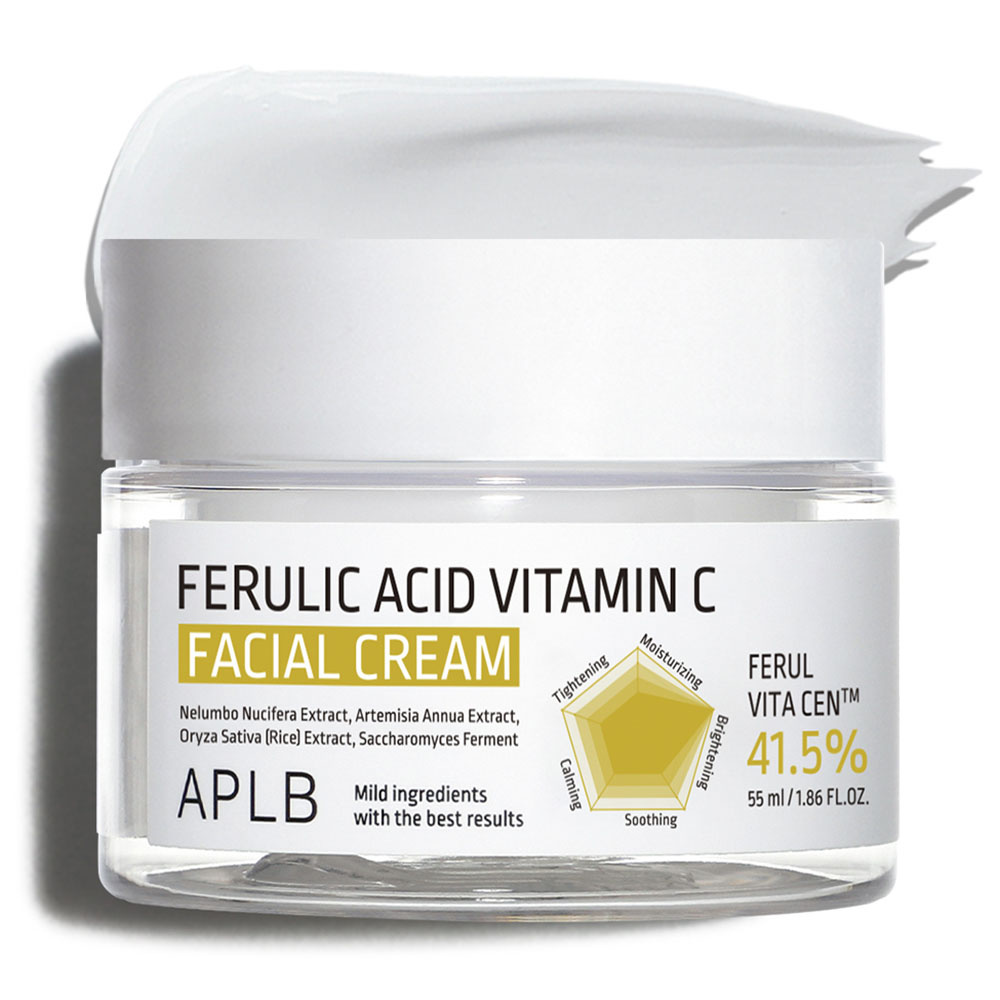
APLB Ferulic Acid Vitamin C Facial Cream
A nourishing cream that combines antioxidants with hydration for a healthy glow.
Sheet Mask

Torriden Cellmazing Brightening Mask
Ideal when your skin needs a quick boost and you want to work on a fresh, even-looking appearance.
Frequently asked questions about Vitamin C
Can I use vitamin C every day?
Yes. Most vitamin C products are suitable for daily use. If you have sensitive skin, start with two to three times a week and build up slowly once your skin is used to it.
Do you use vitamin C in the morning or evening?
Vitamin C is most often used in the morning. Thanks to its antioxidant effect, it helps protect the skin against external influences during the day. Do not forget to always finish your routine with sunscreen (SPF).
Is vitamin C suitable for sensitive skin?
Yes, but if you have sensitive skin, it is best to choose a lower concentration or a milder vitamin C variant. Build up use slowly and combine it with hydrating and calming ingredients.
Is vitamin C in skincare the same as vitamin C from food?
Not entirely. The active substance is the same: vitamin C, also known as ascorbic acid. The difference lies in the way your body uses it.
Vitamin C from food, such as oranges, kiwis or bell peppers, supports your body from the inside and is important for, among other things, your immune system and the natural production of collagen. Vitamin C in skincare is applied directly to the skin, where it can locally help protect the skin against free radicals, reduce the look of dark spots and give the skin a radiant-looking appearance.
Can I combine vitamin C with other active ingredients?
Yes, vitamin C combines well with many ingredients. For example, it works well with hyaluronic acid, niacinamide and ceramides. Do you have sensitive skin? Then be careful when using high concentrations of AHAs, BHAs or retinol at the same time. Build up active ingredients slowly or use them at different times of the day.
Which skin type is vitamin C suitable for?
Vitamin C is suitable for almost all skin types. Especially dull skin, skin with dark spots, post-acne marks or early signs of skin ageing can benefit from this ingredient. Do you have very sensitive skin? Choose a mild formula and build up use slowly.
Vitamin C in your skincare routine
Whether you want to work on dark spots, dull skin or create more glow: vitamin C is a versatile ingredient that can be a beautiful addition to almost any skincare routine.
Curious which products suit your skin best? View our complete range of vitamin C skincare and discover which product perfectly matches your skin needs.