


 Products
 Skincare
 Vegan skincare
 Specific Skincare
 Hair Care
 Advent calendar 2026
 Makeup
 SALE
SALE
 Brands
Niacinamide is almost impossible to miss as the new must-have in your skincare routine. But what exactly is niacinamide and what does this ingredient do for your skin? Read on and discover what niacinamide does, how to use niacinamide in your routine and which skin concerns you can target with niacinamide.
What is Niacinamide?
Niacinamide is a form of vitamin B3 and one of the most popular ingredients in skincare. It helps strengthen the skin barrier, reduce redness, regulate sebum production and visibly soften the look of dark spots and fine lines. This makes niacinamide suitable for almost every skin type, including sensitive skin. You often find it in serums and creams, and it is easy to combine with other active ingredients, making it a versatile addition to your daily skincare routine.
What does niacinamide do for the skin?
Niacinamide is an impressive ingredient with many benefits for your skin, which makes it easy to add to your routine. You can use products such as niacinamide serums and day creams with niacinamide. So whether you have sensitive skin or are dealing with acne, niacinamide can still be a great addition to your routine, we promise!
Supports the skin barrier
Niacinamide stimulates the production of ceramides and helps keep the skin barrier strong and healthy. This helps limit moisture loss and makes the skin feel more comfortable.
Promotes a more even skin tone
This ingredient helps reduce the transfer of melanin, making dark spots and post-acne marks appear less visible.
Helps with excess sebum
Niacinamide can help regulate sebum production, keeping the skin more balanced and making pores appear less noticeable.
Calms the skin
Thanks to its soothing properties, niacinamide helps reduce the appearance of redness and irritation. This also makes it suitable for sensitive skin.
Gives the skin a healthy glow
A strong skin barrier and better moisture balance help the skin look smoother, fresher and more radiant.
How to use Niacinamide?
The great thing about niacinamide is that it is a fairly gentle ingredient for the skin. As long as you introduce it slowly and avoid using highly concentrated products right away, it is less likely to cause irritation and can do its job well. Stick to a percentage of 2% to 10% for optimal results. It is also important to start with a lower percentage, especially if you have sensitive skin. Luckily, niacinamide has been studied a lot, so we now know which percentage can be effective for different skin concerns.
Want to regulate sebum and target acne? Niacinamide can already be effective for these skin concerns from 2%. Choose products with 2% to 3% niacinamide in their formula if you want to target these concerns.
Do you want to use niacinamide for dark spots? A percentage between 3% and 6% can help reduce the appearance of hyperpigmentation and even out the overall skin tone. This percentage can also help strengthen the skin barrier, a true win-win!
Niacinamide can also be used for skin prone to rosacea. Just make sure to introduce it slowly and choose a low percentage, such as 2% niacinamide.
What does Niacinamide combine well with?
Niacinamide fits easily into almost every skincare routine. It supports the skin barrier, helps keep the skin balanced and combines well with many other ingredients.
Whether your skin is dry, sensitive, oily or blemish-prone: niacinamide can contribute to healthier-looking skin with a more even tone and natural glow.
Effective combinations with niacinamide
Hyaluronic Acid
For extra hydration and a more comfortable skin feel.
Vitamin C
For a radiant, fresher and more even-looking complexion.
Ceramides
For extra support of the skin barrier.
PDRN
For skin that feels cared for, soothed and stronger.
Retinol
To give the skin barrier extra support within an active routine.
The best skincare with niacinamide

Anua Niacinamide 10% + TXA 4% Dark Spot Correcting Serum
A powerful serum with niacinamide and tranexamic acid that helps visibly reduce the look of dark spots, post-acne marks and uneven skin tone. Ideal for anyone working towards a clearer, more even-looking complexion.
View product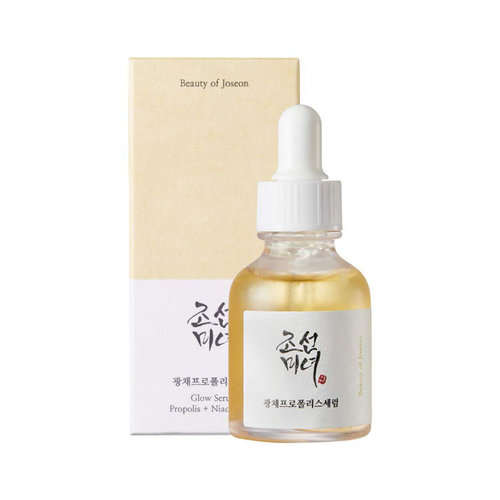
Beauty of Joseon Propolis Glow Serum
This serum combines niacinamide with propolis to calm the skin, deeply hydrate and give it a healthy glow. A beautiful choice for combination, oily or blemish-prone skin.
View product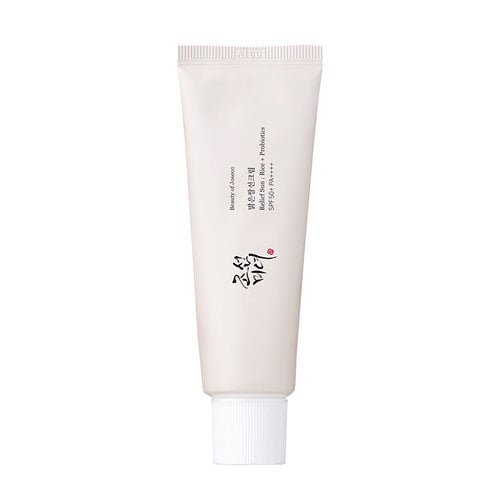
Beauty of Joseon Relief Sun Rice + Probiotics SPF50+ PA++++
This popular daily sunscreen contains 30% rice extract as well as niacinamide, helping to protect the skin against UV rays while hydrating and supporting a clear, healthy-looking glow. The lightweight texture absorbs quickly and leaves no white cast.
View productFrequently asked questions
When should you be careful?
Niacinamide is generally very well tolerated and suitable for daily use. Higher concentrations are also well tolerated by most skin types, but if you have very sensitive skin, it can be more comfortable to start with a lower concentration.
What does Niacinamide do and how do you use it?
Niacinamide helps strengthen the skin barrier, even out the skin tone and reduce the appearance of redness. You can use it both in the morning and evening. Apply a serum or moisturizer with niacinamide after cleansing and always finish your morning routine with SPF.
Do you use niacinamide in the morning or evening?
Both are possible. Niacinamide is not sensitive to sunlight and works well in both your morning and evening routine. Using it during the day? Always finish with SPF.
What is the difference between niacinamide and vitamin C?
Both ingredients help the skin look more even and radiant, but they work in different ways. Vitamin C is mainly a powerful antioxidant that helps protect the skin against free radicals and supports collagen production. Niacinamide focuses more on strengthening the skin barrier, regulating sebum and reducing the appearance of redness. They complement each other well and can be used together.
Which skin type is niacinamide suitable for?
Niacinamide is one of the most versatile ingredients in skincare and is suitable for almost all skin types. Sensitive, oily, combination and acne-prone skin can especially benefit from this ingredient.
Does niacinamide help with acne?
Niacinamide can help acne-prone skin by supporting sebum regulation, reducing the appearance of redness and supporting the skin barrier. It is not a medicine for acne, but it can be a valuable addition to an acne-focused routine.
Final thoughts
Niacinamide is an all-round skincare favourite, and if it were up to us, this ingredient would be in everyone’s skincare routine. Adding niacinamide to your routine is a simple yet effective way to work towards the glowy skin of your dreams. Discover the best Korean skincare with niacinamide in our collection today. Looking for niacinamide toners? We got you fam! Also discover other ingredients such as Beta-Glucan for that glowy, glass skin effect and read how it can transform your skin.