


 Products
 Skincare
 Vegan skincare
 Specific Skincare
 Hair Care
 Advent calendar 2026
 Makeup
 SALE
SALE
 Brands
Not all peptides are the same. Some peptides help support the production of proteins, making the skin appear firmer. Potential benefits include improved elasticity and skin texture, as well as less visible fine lines. However, there are many different types of peptides, each with its own unique properties. In this blog, we'll explain the differences.
What are peptides?
Peptides are short chains of amino acids that can act as signalling molecules in the skin. Certain peptides signal skin cells to support the production of collagen, elastin and other structural proteins, helping the skin appear firmer and more supple. Clinical studies on specific peptide formulations have shown improvements in skin elasticity, texture and the appearance of fine lines with consistent use.
What are the benefits of peptides?
Peptides can offer several benefits, although their effects vary depending on the type. Let's take a look at some of the potential benefits:
- Collagen support and firmness: Some peptides help support collagen production, which can contribute to firmer-looking skin. This may also help reduce the appearance of fine lines and wrinkles.
- Hydration: Certain peptides help keep the skin hydrated, contributing to a healthy, supple appearance.
- Skin barrier support: Some peptides support the skin barrier, helping the skin become more resilient against external environmental factors.
- Effective combinations: Peptides work well alongside other anti-aging ingredients, making them a versatile addition to your skincare routine.
- Ideal for: Skin showing the first signs of aging or experiencing a loss of firmness.

What types of peptides are there?
Signal peptides
These peptides help support the production of collagen and elastin in the skin. They are mainly used in anti-aging formulations and are generally gentle and well tolerated by the skin. Examples include Matrixyl 3000 and Palmitoyl Tripeptide-5.
Carrier peptides
These peptides help transport minerals in the skin. One example is copper, which plays a role in the skin's natural repair processes. Peptides that transport copper are also known as copper peptides. They are often compared to signal peptides but have a different function that primarily focuses on mineral transport.
Neuropeptides
These peptides may help visibly soften expression lines by influencing signalling processes associated with muscle contractions. Potential benefits include smoother-looking skin and less visible expression lines. Examples of neuropeptides include Argireline and Pentapeptide-18.
Enzyme-inhibitor peptides
These peptides help slow down the breakdown of collagen by influencing certain enzymes involved in this process. They can be incorporated into lightweight, water-based formulations. The overall formula determines which skin types a product is suitable for.
Which ingredients work well with peptides?
Peptides and niacinamide:
Niacinamide helps strengthen the skin barrier, hydrate the skin and even out the complexion. These benefits complement the anti-aging properties of peptides, which can contribute to firmer, smoother-looking skin and help reduce the appearance of fine lines and wrinkles. Together, niacinamide and peptides make an effective combination in your skincare routine.
Both ingredients can generally be used safely together and are often found in the same serum. Using two separate products? You can apply your peptide serum first, followed by niacinamide and a hydrating moisturizer. However, the order of your serums is less important than maintaining a consistent skincare routine.
Peptides and ceramides:
Ceramides help the skin retain moisture and support the skin barrier. This makes them a great addition to the skincare benefits of peptides. Together, they can work effectively in a serum or cream, leaving the skin looking smoother, more supple and healthier.
Both ingredients are valuable additions to an anti-aging routine and offer benefits beyond targeting visible signs of aging, such as hydration and skin barrier support. They also help the skin become more resilient against everyday environmental stressors.
Peptides and hyaluronic acid:
Peptides support various processes in the skin, while hyaluronic acid primarily helps attract and retain moisture. They have different functions, making them an excellent combination.
Both ingredients are commonly found in lightweight, water-based formulations and work well during the early steps of a skincare routine. Many serums already combine the two in one formula.
LW Peptide Picks
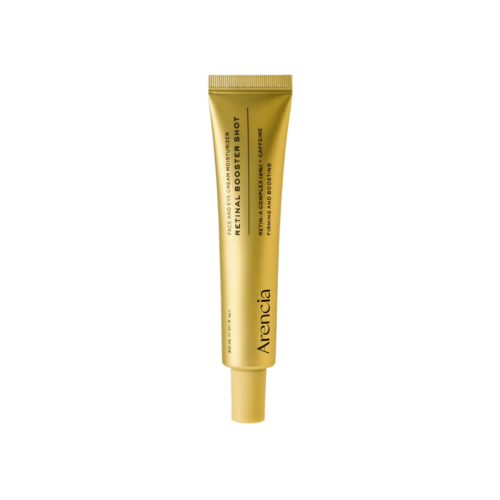
Arencia Retinal Booster Shot
30 ml
A high-quality anti-aging booster that helps renew, firm and visibly smooth tired-looking skin. Contains an extensive peptide blend that helps target fine lines, wrinkles, loss of elasticity and a dull complexion.
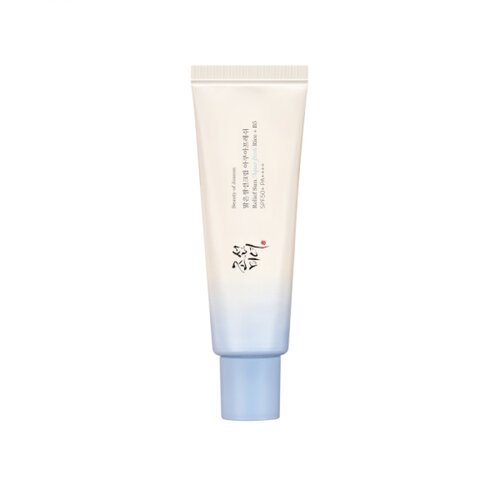
Beauty of Joseon Relief Sun Aqua Fresh Rice + B5 SPF50++++
50 ml
A lightweight, non-greasy sunscreen that provides high-level sun protection with SPF50+ and PA++++.
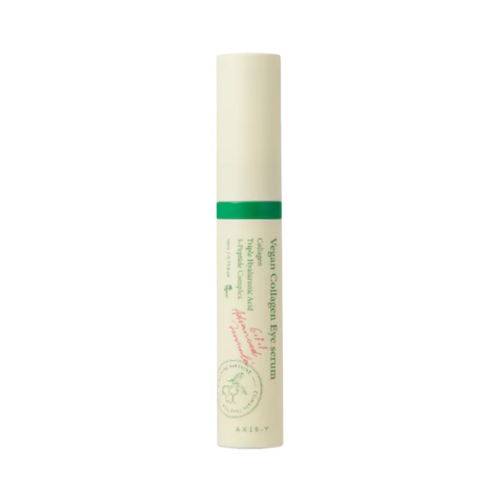
AXIS-Y Vegan Collagen Eye Serum
10 ml
This eye serum combines firming vegan collagen with hydrating and brightening ingredients for both immediate freshness and long-term skincare benefits. Contains a 5-peptide complex that helps reduce the appearance of fine lines and revitalize tired-looking eyes.
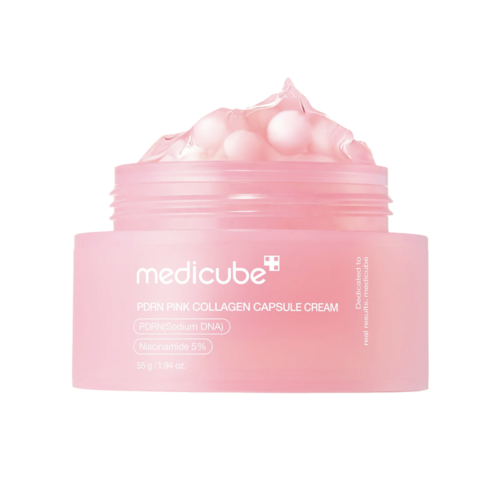
Medicube PDRN Pink Collagen Capsule Cream
55 g
An innovative facial cream that helps improve skin elasticity and promote a more even complexion. Contains collagen and peptides for firmer, more supple-looking skin.
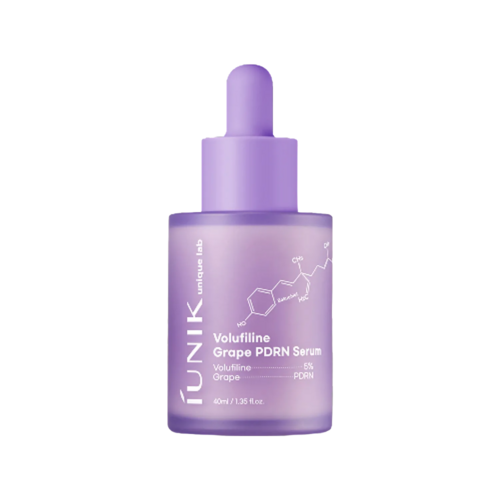
iUNIK Volufiline Grape PDRN Serum
40 ml
A firming serum for skin that could use a fuller, smoother and more supple appearance. Contains peptides that support firmer, smoother-looking skin and help improve the appearance of skin elasticity and resilience.
What is a polypeptide?
Polypeptides are longer chains of amino acids. Due to their larger molecular size, they may not penetrate the skin as easily as smaller peptides. As a result, their use and benefits in skincare can differ from those of shorter peptide chains.
What is a glow peptide?
Glow peptide is not an official category of peptides but a term sometimes used for peptide complexes designed to promote a radiant, healthy-looking complexion. These combinations may contain different types of peptides. Their effectiveness ultimately depends on the specific ingredients and formulation.
What are collagen peptides?
Collagen peptides are smaller fragments of collagen protein that have been broken down into shorter chains of amino acids. This makes them easier to dissolve in water and other liquids. For this reason, collagen peptides are commonly used in foods and supplements, although they can also be found in skincare products.
Can you use peptides every day?
Yes, peptides are generally suitable for daily use. Many peptide skincare products can be applied once or twice a day, depending on the formulation and your skin's needs. Always follow the instructions provided with your product.
Hopefully, you now have a better understanding of the different types of peptides and can find your new skincare favourite! Discover more helpful tips in our trending ingredients blog or explore even more interesting skincare ingredients.