


 Products
 Skincare
 Vegan skincare
 Specific Skincare
 Hair Care
 Advent calendar 2026
 Makeup
 SALE
SALE
 Brands
After summer, you may notice that your skin feels a little different than usual. Summer brings various influences that can cause your skin to lose more moisture or react more sensitively. That is why September is a great time to go back to basics together with Little Wonderland. We are happy to help you with a routine that supports your skin and prepares it for a new season.
What is your skin barrier?
The skin barrier is the outer protective layer of your skin and is located in the upper layer of the epidermis, known as the stratum corneum. This layer forms the first line of defence against external influences and plays an important role in keeping your skin healthy.
The skin barrier consists of skin cells surrounded by skin lipids, including ceramides, cholesterol and free fatty acids. You can think of it as a brick wall, where the skin cells form the bricks and the skin lipids act like mortar to hold everything together.
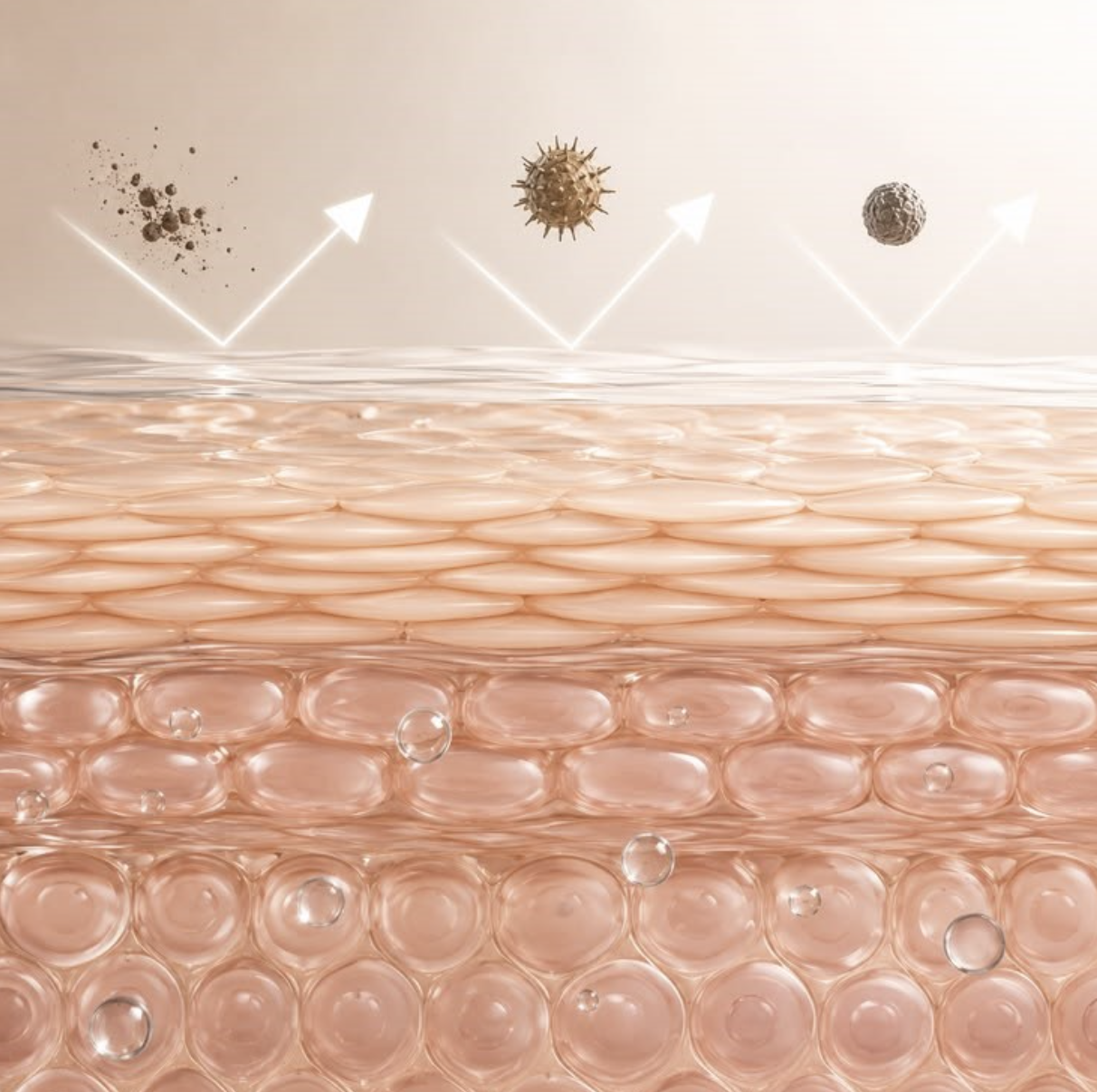
What are the functions of your skin barrier?
A well-functioning skin barrier performs several essential functions.
What are possible signs of a weakened skin barrier?
A compromised skin barrier is more common than many people may think. Look out for the following changes in your skin:
Does your skin feel tight after cleansing, or does that tight feeling remain throughout the day? This may indicate that the skin is losing more moisture than desired.
The skin may sting or feel like it is burning and can react more sensitively to products and external influences.
Skin that becomes red more quickly or stays red for longer after skincare, heat, cold or sun exposure may benefit from extra skin barrier support.
When the skin does not retain enough moisture, its natural glow can diminish and the skin may look tired.
The skin may feel less soft and develop small dry patches when the outer skin layer is less able to retain moisture.
For some skin types, skin that is out of balance can be accompanied by more blemishes and increased sensitivity to external influences.
What can cause the skin barrier to become unbalanced?
Both external and internal factors can temporarily affect how well the skin barrier functions.
External factors
UV radiation
Prolonged exposure to UV radiation can affect skin lipids and contribute to increased transepidermal water loss. As a result, the skin may feel drier and more sensitive.
Over-cleansing
Cleansing too often or using a harsh cleanser can remove natural skin lipids, reducing the skin’s protective function.
Too many active ingredients
Combining or using exfoliating acids, retinoids or other powerful active ingredients too frequently can overwhelm the skin.
Internal factors
Age
As the skin ages, the amount of naturally occurring skin lipids, such as ceramides, gradually decreases. This can make the skin barrier function less efficiently.
Stress
Long-term stress can affect the skin and slow down its natural recovery process. This may make the skin more sensitive to external triggers.
Skin conditions
With skin conditions such as eczema or rosacea, the skin barrier is often naturally weaker, which can make the skin more sensitive to external influences.
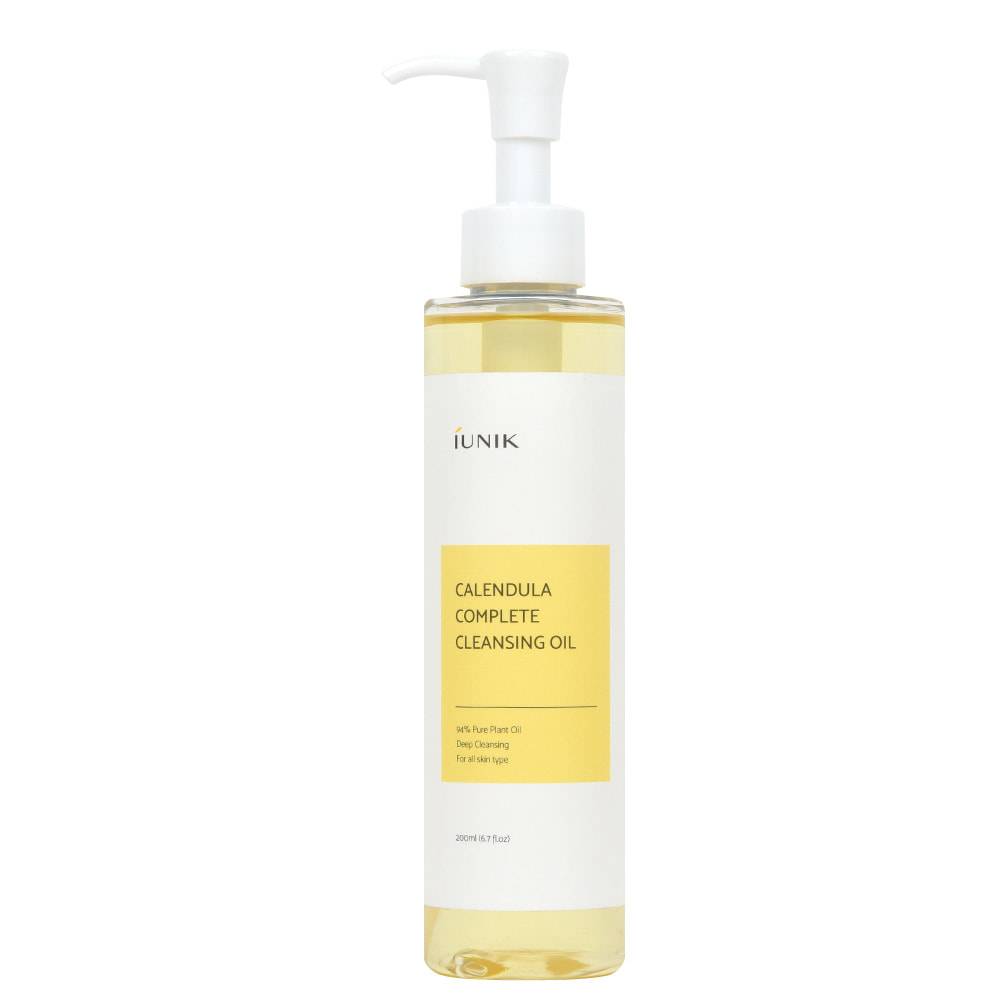
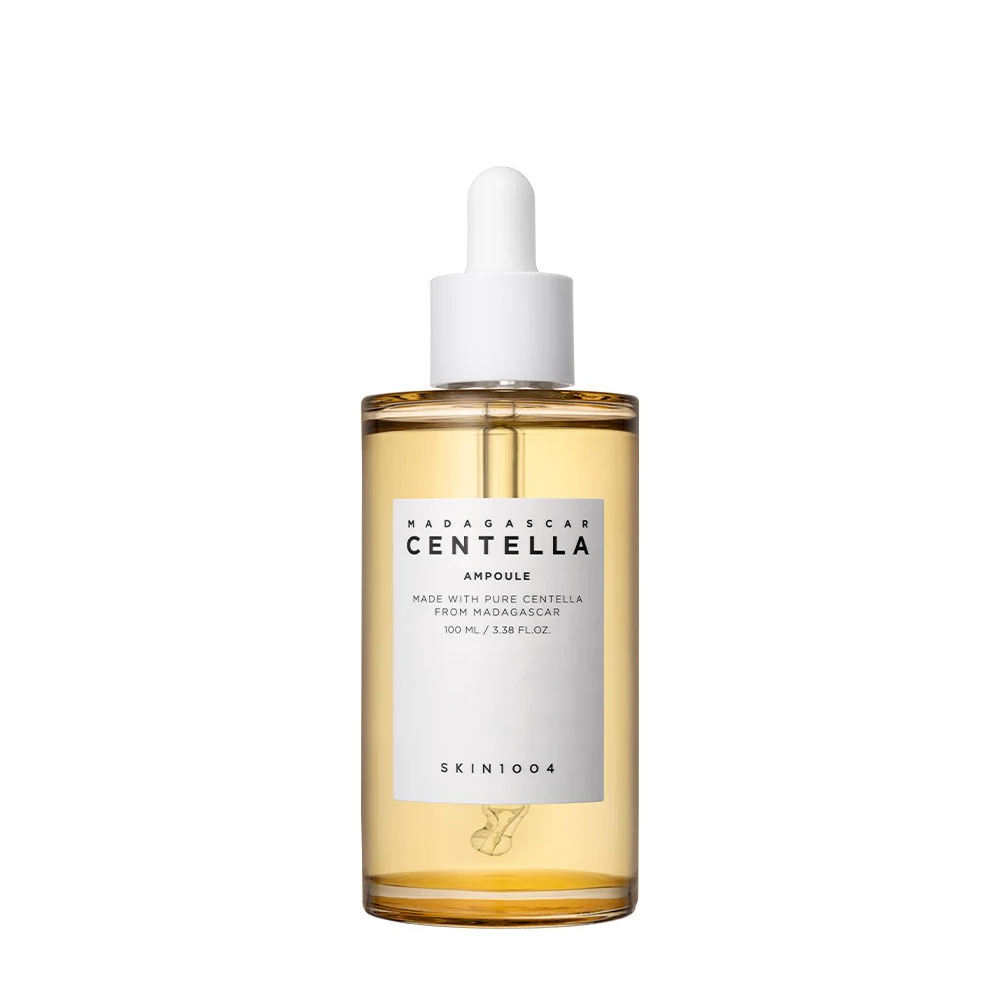
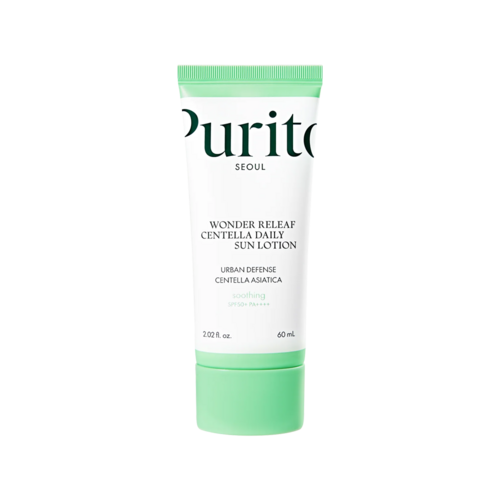
Products that support your skin barrier
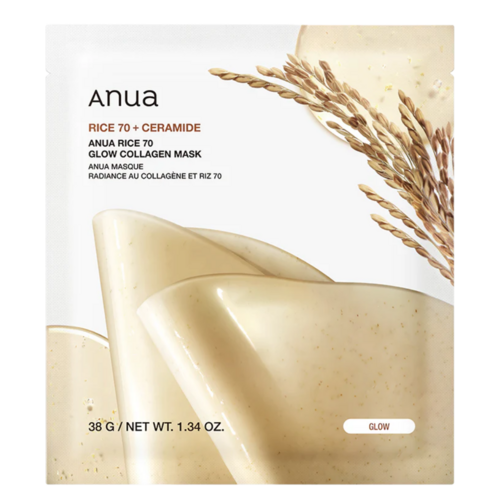
Discover our favourites and scroll through the products.

Frequently asked questions about Barrier Care
How can you restore the skin barrier on your face?+
Adjust your routine and temporarily stop using active ingredients such as retinol and AHA and BHA acids. Then follow a gentle routine with ceramides and niacinamide as essential ingredients to help restore your skin barrier.
Can azelaic acid damage your skin barrier?+
It is a gentle but active ingredient. Therefore, it is recommended to temporarily remove it from your routine if you notice signs of a weakened skin barrier.
Take your time to discover what feels best for your skin. With gentle attention and the right care, you give your skin the opportunity to regain its balance.
With love for skincare,
Little Wonderland.